
Reviewed · FOOD & DRINK
Lecce: Street Food Tasting and Sightseeing Tour
Lecce’s best introduction may come between bites of rustico pastry, pettole, gelato, and pasticciotto. This 2 to 2.5-hour walk ties Salento food to the city’s ornate Baroque churches, Roman monuments, old gates, and small craft traditions, so you learn what you are looking at instead of simply photographing it.
I like the easy pace and steady food stops, which give your feet a rest and help you understand local eating habits. I also like the visit to a papier-mâché workshop, an especially useful touch in a city better known for stone carving. The main consideration is that five tastings can replace lunch, and drinks cost extra, so arrive hungry but bring water.
Key points to know before you book
- Five tastings are built into the walk: Expect a mix of savory and sweet Salento specialties, with exact samples subject to availability.
- The route covers Lecce’s essential sights: San Matteo, Piazza Duomo, Porta Napoli, Santa Croce, and Piazza Sant’Oronzo all fit into the walk.
- The food and architecture explain each other: You learn about traditions, ingredients, local customs, and the city’s Baroque style in the same outing.
- Guides are a major part of the experience: Antonella is frequently named, with Monia and Giancarlo also leading tours.
- The walk is relaxed but substantial: It lasts up to 2.5 hours, with several stops, uneven historic-center streets, and plenty of standing.
- Food restrictions require care: Vegetarian diets may work, but allergies, gluten intolerance, and some other restrictions cannot be guaranteed.
Why food is the right way into Lecce
Lecce can feel like a stone encyclopedia at first. Its old center is packed with churches, carved balconies, columns, clocks, and decorative facades. A guide helps you sort the details, while the food gives the walk a human scale.
The tour begins at Porta San Biagio, one of Lecce’s four principal old gates according to the tour description. The route also includes Porta Napoli, another major entrance to the historic center. The information provided does not confirm the present condition of all four gates, so I would not book this expecting a full gate-by-gate survey.
The first tasting comes near the starting point, giving you an early sample of Salento cooking. The food is not presented as a formal sit-down meal. Instead, you stop at local places along the route, taste manageable portions, and keep walking.
That format works well in Lecce. You can try several specialties without committing to a large restaurant meal, and the guide can explain what you are eating. The food also breaks up the architectural commentary, which is useful in a city where every few steps can bring another carved facade.
More Food Tours in Puglia
- Bari’s Ultimate Street Food Tour – Small Group by Do Eat Better
★ 5.0 · 1,187 reviews - Bari: Walking Street Food Tour
★ 4.7 · 458 reviews - Lecce: Guided Street Food Walking Tour with Food and Wine
★ 4.6 · 273 reviews
Porta San Biagio and the first Salento bites
Porta San Biagio is a practical meeting point because it places you at the edge of the old center. From here, the walk moves inward through streets where the atmosphere changes from city traffic to historic lanes.
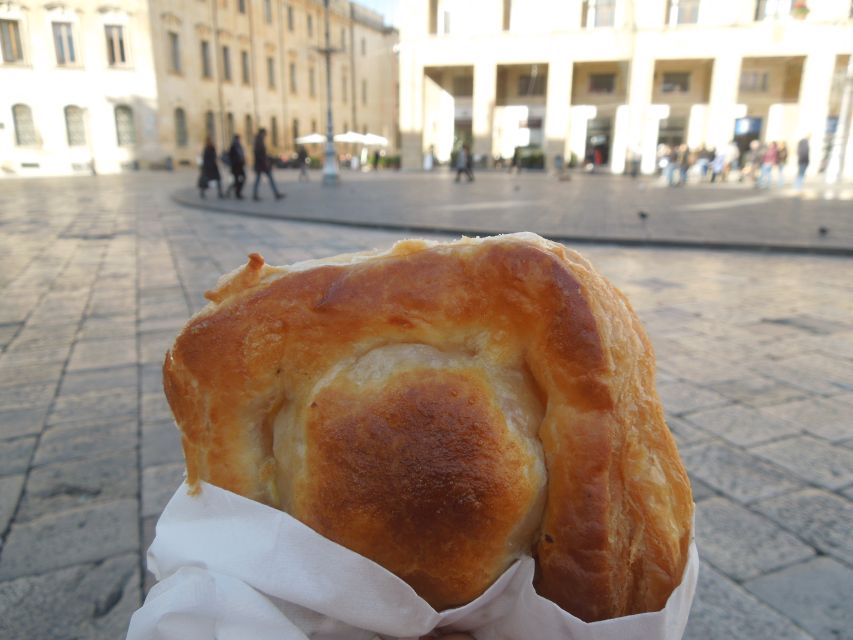
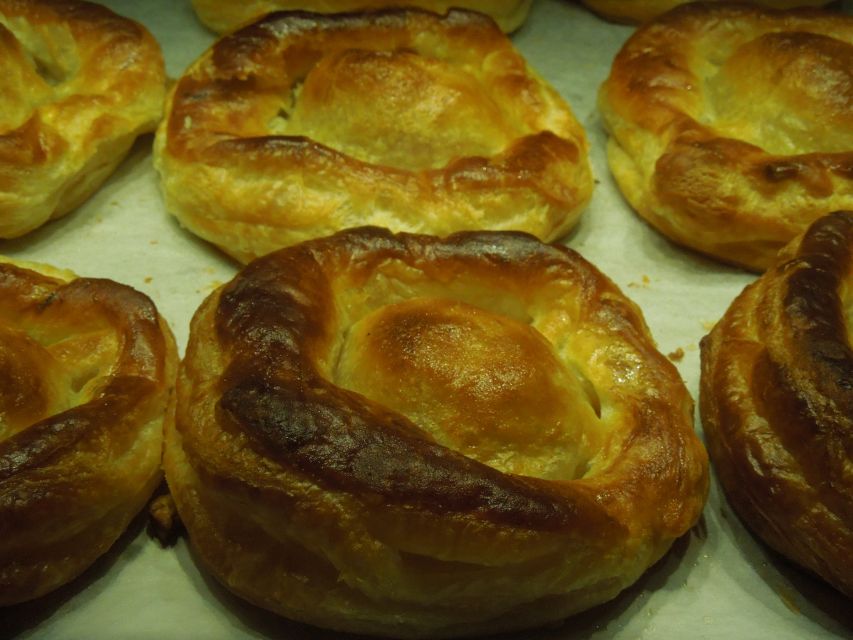
Your first food stop may include one of the savory specialties associated with the area. The best-known example described for this experience is rustico leccese, a round puff pastry filled with mozzarella, tomato, and béchamel. It is simple, rich, and filling, more substantial than a quick nibble.
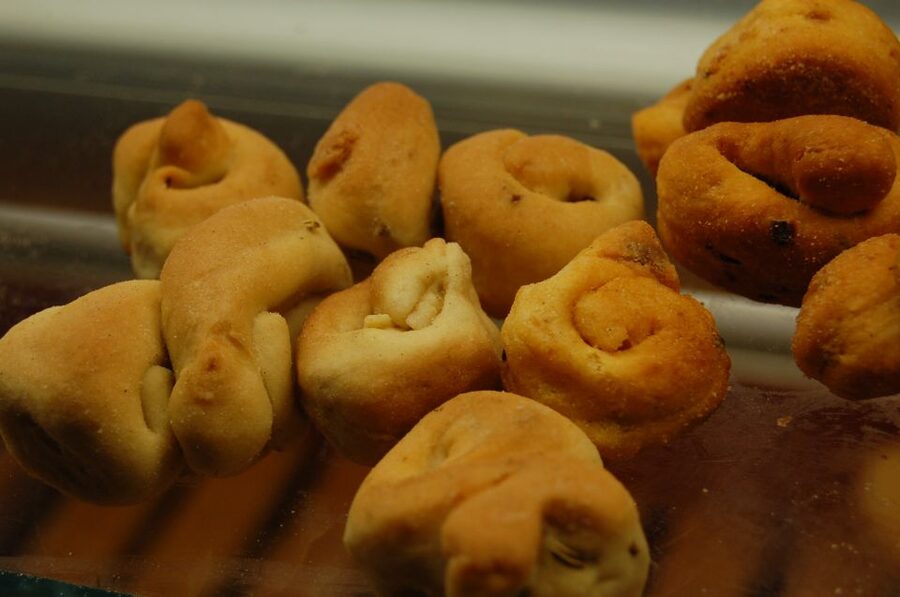
You may also encounter pettole, small balls of leavened dough served plain or in a pizzaiola style. They are linked with Christmas Eve in Salento, so this is not just a snack but part of a local seasonal tradition.
The exact food sequence can vary. That is worth understanding before you book, since the tour promises tastings rather than a fixed restaurant menu. Food is included, but drinks are not. You can buy water or another drink separately according to your preference.
San Matteo and Lecce’s Baroque stonework
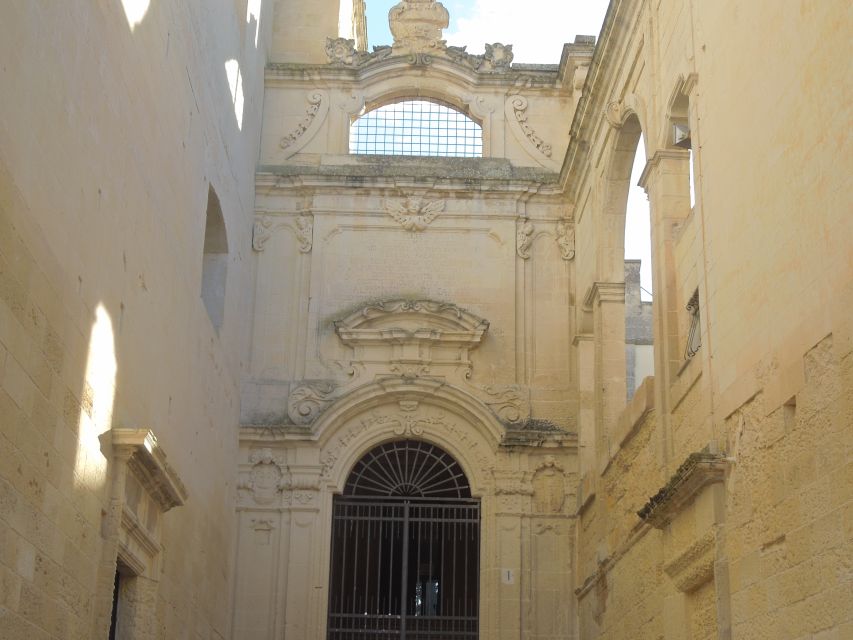
The Church of Saint Matthew is one of the first major stops. Its unusual facade is useful for understanding how Lecce’s Baroque can shift from graceful to dramatic, with movement, curves, and carved details competing for your attention.
The guided visit here is scheduled for about 10 minutes. That is enough for an explanation of what makes San Matteo different from other churches in the center, but not enough for a long art-history lecture. I consider that a good trade on a food walk, since the route has many more sights ahead.
Lecce is famous for its pale local stone, which is soft enough to carve and hardens over time. The result is a city center full of expressive details: figures, plants, masks, scrolls, and elaborate frames. A strong guide points out the details you would likely pass without noticing.
Antonella is often the guide named for this experience, and the supplied feedback consistently emphasizes her command of Lecce’s architecture, culture, politics, and food traditions. Monia and Giancarlo also lead tours, and the guide you receive depends on the date and availability.
The languages offered are English, Italian, French, and German. English-language tours have received especially strong comments for clear explanations, but you should select your preferred language when booking.
Piazza Duomo, a square with an unusual shape
Piazza Duomo is one of Lecce’s most memorable spaces because it feels enclosed. Unlike an open urban square where several streets flow visibly through it, this elegant setting has a more closed composition that focuses your attention on the cathedral complex.
The tour allows about 15 minutes here. That is enough to discuss the cathedral and the shape of the square, along with the role of the surrounding buildings in creating its sense of enclosure.
This is one place where a guide adds real value. A quick visit can turn into a few photographs and a glance at the cathedral door. With an explanation, you begin to see how the arrangement of the buildings creates a controlled stage for Lecce’s Baroque style.
The route also includes a papier-mâché workshop. You watch the construction phases of a papier-mâché statue and learn about an old Lecce craft tradition. This stop gives the tour a welcome change of texture. After looking at permanent stone carvings, you see how local artisans create lighter, more flexible religious figures.
The workshop visit may be especially useful if you want a connection to working traditions rather than monuments alone. It also gives you something to look for in shops and churches during the rest of your stay.
More Street Food Tours in Puglia
- The Original Street Food Walking Tour in Bari
★ 4.5 · 226 reviews - Bari: Street Food Walking Tour with Wine Tasting
★ 5.0 · 211 reviews
Porta Napoli and the stories behind the monuments
At Porta Napoli, the guide shifts from church facades to the city’s entrances and historical movement. The stop lasts about 15 minutes, giving you time to understand the gate as part of Lecce’s old defenses and urban structure.
The route then continues through side streets and alleys. This is where the walk earns its promise of going beyond the most obvious path. You hear anecdotes about the city, its buildings, and the people or customs linked to them.
The tour is not a silent march between photo stops. The guide explains balconies, carvings, and small architectural details, then leaves room for questions. Several guides have been praised for answering questions about the wider Apulia region, not just Lecce itself.
That regional context matters. Lecce did not develop in isolation, and the food on the route makes that clear. Salento specialties reflect local agriculture, family cooking, seasonal customs, and the practical habits of a southern Italian city.
Santa Croce and the city’s most ornate facade
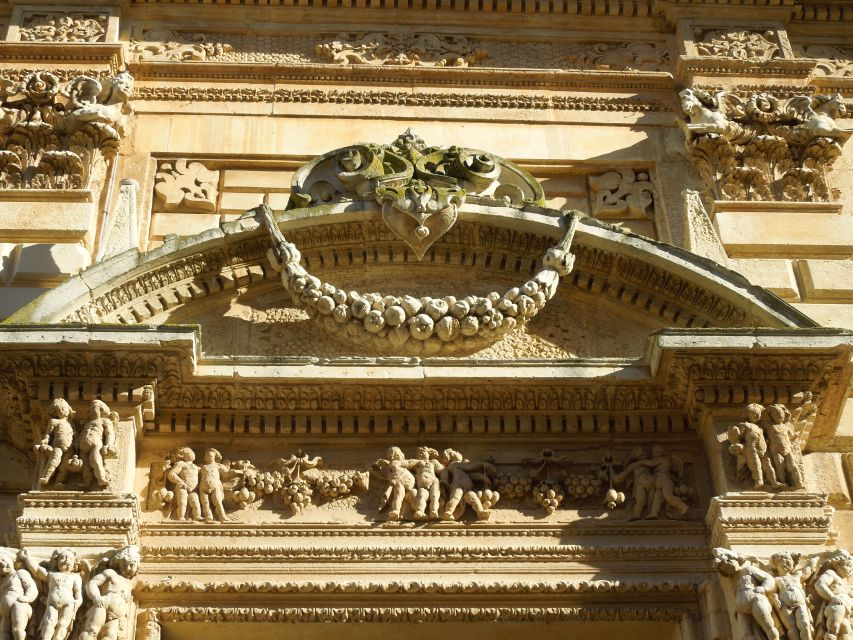
The Basilica of Santa Croce is the visual high point for many visitors. Its facade is described as looking like embroidery, and the comparison makes sense once you see the density of the carved decoration.
You get about 15 minutes here. That is a short time for a facade this crowded with details, so listen for the guide’s method. A good explanation helps you focus on the figures, plants, symbols, and arrangement rather than trying to inspect everything at once.
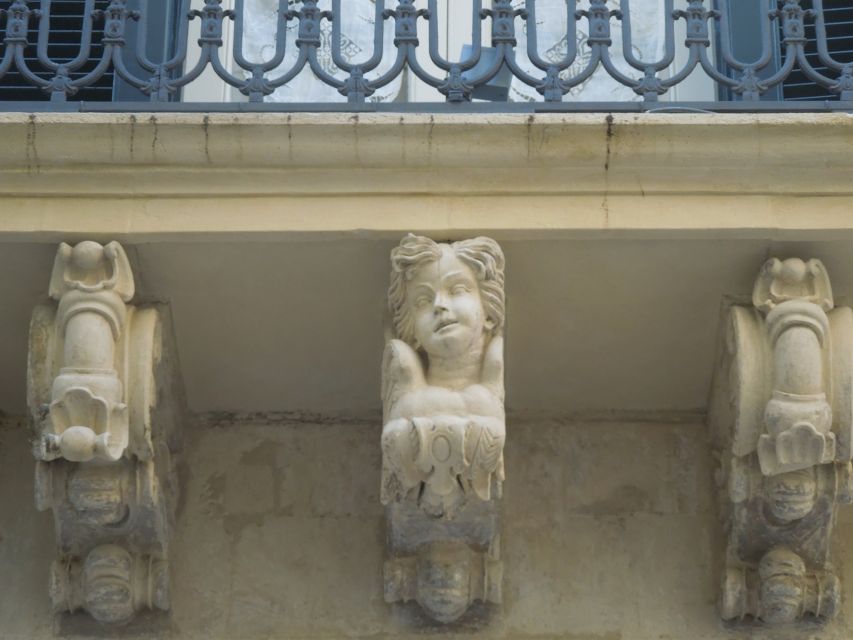
Nearby noble residences add another layer. Their balconies may be supported or decorated by carved figures and allegorical forms. The details can be playful, grotesque, or symbolic. This is one of the tour’s strengths because you learn to look up at ordinary street level, not only at famous church fronts.
The walking is generally easy, but the old center includes historic paving and frequent standing. Comfortable shoes are essential. The tour operates in sun or rain except in extreme weather, so a light rain layer and water are sensible additions.
Piazza Sant’Oronzo and the Roman connection
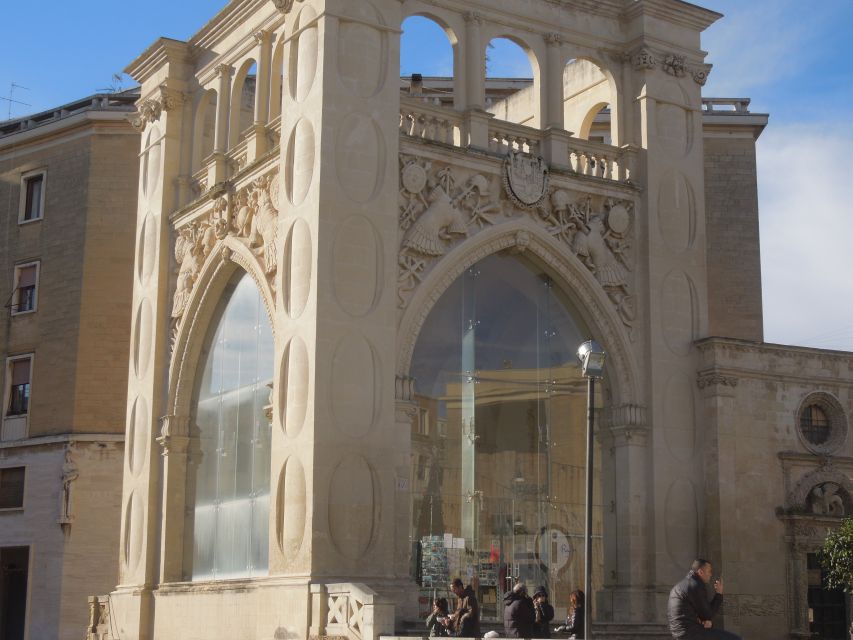
Piazza Sant’Oronzo brings the route to one of Lecce’s central public spaces. Here the guide explains why a column from the Via Appia, the ancient Roman road, ended up in Lecce.
The story gives the square a wider frame. You are not only looking at a local monument. You are seeing how Roman material, later civic life, religious symbols, and modern city space overlap.
The guide also explains the she-wolf emblem in the center of the square. This is the kind of detail that can be easy to overlook, especially when the square is busy or you are focused on taking pictures.
Another feature is the large Clock of Wonders. The tour covers its allegories and the meaning behind its design. These explanations are more useful than a list of dates because they give you a way to read Lecce’s public art.
The route ends with more food, including sweet specialties. Pasticciotto is the star of Salento pastry: shortcrust pastry filled with custard. It is rich, soft, and best approached after pacing yourself earlier in the walk.
Gelato may also appear as the final sweet stop. Several people found the food plentiful enough that lunch was unnecessary, while one person specifically appreciated ending with gelato. If you normally eat an early lunch, plan around this tour rather than treating it as a light appetizer walk.
What the five tastings amount to
The food is one of the strongest reasons to choose this tour, but it helps to set expectations. This is not a chef-led cooking class, and it is not a formal tasting menu with a printed list of courses.
Instead, you get a sequence of local bites spread through the walk. A common pattern is three savory tastings and two sweet ones, though the exact choices are not guaranteed. Foods mentioned for the experience include:
- Rustico, puff pastry with mozzarella, tomato, and béchamel
- Pettole, small fried or cooked dough balls served plain or pizzaiola style
- Pasticciotto, shortcrust pastry filled with custard
- Tarallini, small crisp ring-shaped snacks
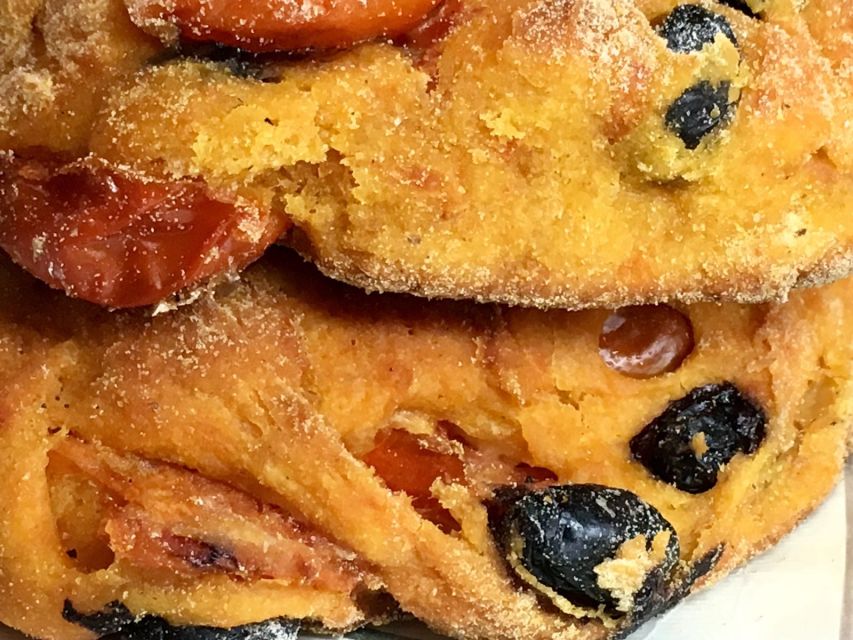
- Friselle, twice-baked bread traditionally served with toppings
- Gelato
The selection can be especially useful at the beginning of a Puglia trip. You will leave with a better sense of what to order at bakeries, cafes, and food shops.
The portions are described as generous, and the food is spaced well enough that you are not eating everything at once. Still, arrive hungry. You may not want a full lunch afterward.
Vegetarians have been accommodated successfully, but you must give advance notice. Vegans and people avoiding gluten or lactose may take part, yet not every tasting can be guaranteed for those restrictions.
The information says people with food allergies and gluten intolerance are not suitable for this experience. Take that seriously. This is not the right choice if cross-contact or uncertain ingredients would create a health risk.
Pace, group size, and the practical side
The advertised price is $70 per person. I consider that fair if you value both the food and the guiding. You are paying for five tastings, a 2 to 2.5-hour walk, a live guide in your chosen language, and visits to several of Lecce’s key sights.
The value is weaker if you only want a quick snack crawl. You could spend less by buying one pastry and exploring independently, but you would lose the explanations about the churches, gates, Roman column, local symbols, and artisan work.
Group size can be modest. Past groups described in the supplied material included five and nine people, while private groups are also available. A small group makes it easier to hear the guide and ask questions, though the exact size is not guaranteed for every departure.
The tour is wheelchair accessible, but historic centers can still involve old paving and frequent stops on public streets. If you have mobility concerns, confirm the route details before booking.
There are three possible starting-location arrangements shown for the activity, including Porta San Biagio and Piazza Sant’Oronzo. Check the meeting point attached to your selected option. The listed end points are Piazza Sant’Oronzo or Viale Francesco Lo Re.
Free cancellation is available up to 24 hours before the start, and reserve-now, pay-later booking is offered. Rain alone does not qualify for a last-minute refund, since the tour normally runs in wet weather.
Children under five, people over 110 kilograms, and people over 95 are listed as unsuitable for the activity. These limits may sound unusual, so check them carefully if they affect anyone in your group.
Who will get the most from this Lecce walk
I would choose this tour for a first day in Lecce. It gives you a map in your head, introduces the city’s main sights, and points you toward food shops you may want to revisit.
It suits adults, older children above the stated minimum age, couples, families with curious teenagers, and anyone who likes history without wanting a long formal lecture. The guides have been especially praised for making the architecture understandable and for offering practical suggestions about where to eat and what to do next.
It also works for a short stay. If Lecce is a day trip from another part of Puglia, the tour gives you a concentrated introduction in a manageable time.
I would think twice if you have already spent several days touring Lecce’s churches and want a serious food-focused experience with large portions, drinks, and restaurant time. I would also skip it if food allergies make uncertain ingredients unsafe.
Should you book the Lecce street food tour?
Book it if you want a history walk with enough food to matter, rather than a simple monument tour or a snack-only outing. The blend is the point: you see San Matteo, Piazza Duomo, Porta Napoli, Santa Croce, and Piazza Sant’Oronzo while learning why local pastries, fried dough, crisp breads, and gelato belong to everyday Salento life.
The strongest reason to book is the guide. Antonella is frequently named, and Monia and Giancarlo also receive warm comments for their clear explanations, local knowledge, and friendly manner. The food is plentiful, the pace is relaxed, and the route gives you useful ideas for the rest of your time in Lecce.
Bring water, wear comfortable shoes, and do not eat a heavy breakfast. If you can handle the dietary limits and want a well-rounded first look at Lecce, $70 is a reasonable price for the amount of food, guiding, and sightseeing packed into one morning or afternoon.
FAQ
How long does the Lecce street food tour last?
The tour lasts about 2 to 2.5 hours, depending on the departure and pace of the group.
How much does the tour cost?
The listed price is $70 per person.
What food is included?
Food tastings and snacks are included. Possible specialties include rustico, pettole, pasticciotto, tarallini, friselle, gelato, and other local samples. The exact selection can vary.
Are drinks included?
No. Drinks are not included, but you can buy them separately according to your preference.
Where does the tour meet?
The meeting point depends on the option booked. Listed possibilities include Porta San Biagio and Piazza Sant’Oronzo.
Which sights are included?
The route includes the Church of Saint Matthew, Lecce Cathedral and Piazza Duomo, Porta Napoli, the Basilica of Santa Croce, and Piazza Sant’Oronzo. It also includes a visit to a papier-mâché workshop.
What languages are available?
The tour is offered in English, Italian, French, and German.
Can people with dietary restrictions join?
Vegans and people with gluten or lactose intolerance may participate, but not all tastings can be guaranteed for those restrictions. You must communicate your needs when booking. The activity is not suitable for people with food allergies or gluten intolerance as listed in the tour information.
Does the tour run in bad weather?
The tour operates in sun or rain except during extreme weather. Rain alone does not qualify for a last-minute refund.
Just added around Puglia
- Private Tour of the Medieval Village of Ostuni by Tuk Tuk★ 4.5 · 278 reviews
- Bari Vecchia Group Tour in Italian★ 5.0 · 241 reviews
- The Original Street Food Walking Tour in Bari★ 4.5 · 226 reviews
- Boat trip to the Polignano a Mare caves★ 5.0 · 395 reviews
- Bari Walking Tour with Pasta Experience★ 4.5 · 270 reviews
- Bari Rickshaw Tour★ 5.0 · 233 reviews
- Bari Walking City Tour★ 4.5 · 511 reviews
- Bari Bike Tour★ 5.0 · 266 reviews
Food & Drink, compared.
Small-Group Wine Tasting Experience in the Tuscan Countryside
Read our review →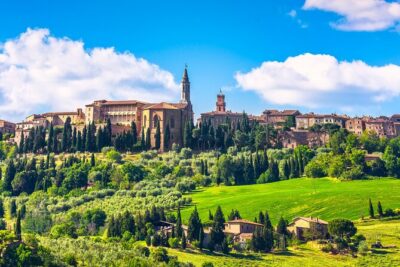
Tuscany & Montepulciano Day Trip with Lunch & Wine Tasting
Read our review →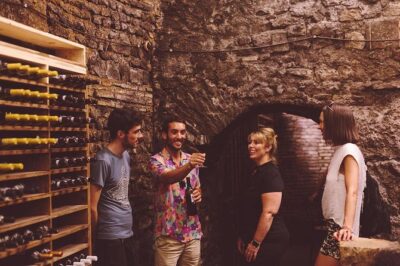
Winner 2025 Rome Twilight Trastevere Food Tour by Eating Europe
Read our review →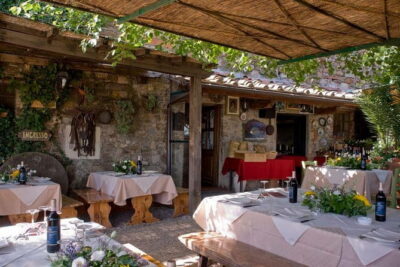
SMALL-GROUP Wine Safaris: Tuscan Wine Tasting Tours from Florence
Read our review →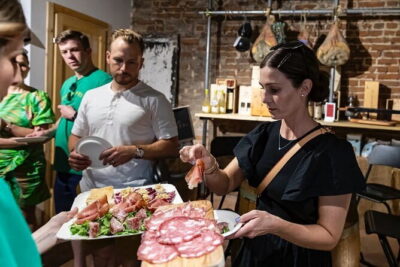
Winner 2025 Florence Sunset Food & Wine Tour by Eating Europe
Read our review →
Cooking Class and Lunch at a Tuscan Farmhouse with Local Market Tour from Florence
Read our review →
San Gimignano, Siena, Monteriggioni, Chianti Day Trip with Lunch & Wine Tasting
Read our review →Browse the lists this tour appears in